
Psychological Abuse



THE INCONVENIENT TRUTH
The roots of today’s mental health crisis often begin in the silent abuse of childhood.
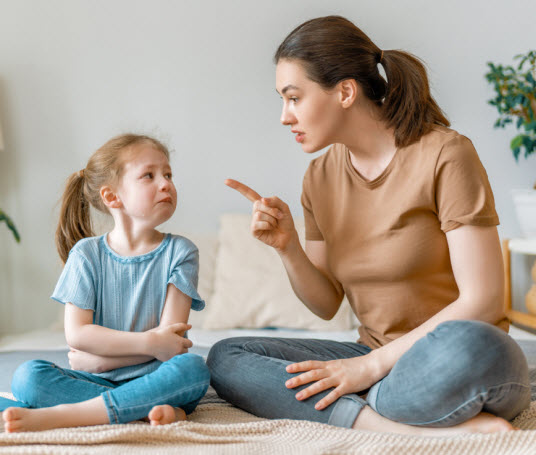
Mental abuse is often the most obvious form of abuse we fail to see. Hidden behind loving words, routines, and familiar walls, it shapes how a child feels, thinks, and understands themselves and the world. Too often, this hidden abuse begins within the home environment and is repeatedly overlooked by society, organisations and systems meant to keep children safe.
This failure to recognise mental abuse has long-term consequences that extend far beyond childhood. When a child grows up believing that control, fear, or manipulation are forms of love, those lessons follow them into adulthood — shaping relationships, identity, and mental health. To confront the mental health crisis we face today, we must start where it begins: by seeing and naming the harm that has too often been ignored.
- Mental abuse is the primary type of child abuse. (AIHW)
- Mental abuse most often occurs in parental or caregiver relationships.
# Your support helps us protect children, heal families, and break the cycle of abuse.
Donate Today
Hidden Scars
How mental abuse and neglect shape the way
children feel, think, trust, and grow.
Emotional Abuse
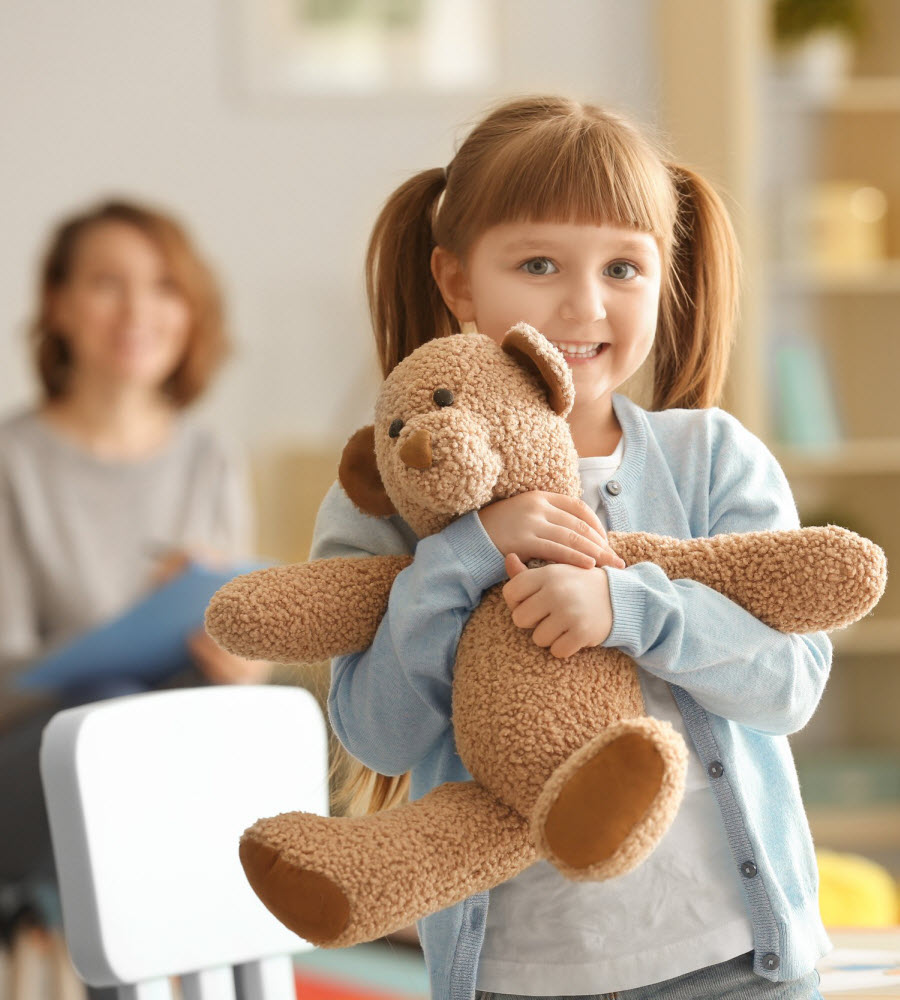
Harms a child’s sense of self, security, and belonging. It often comes from those closest to them, leaving invisible, long-lasting scars.

Psychological Abuse
Affects how a child thinks, processes the world, and makes sense of themselves. Its impact can be deep and long-lasting, often hidden from view.

Neglect
Deprives a child of the care, attention, and support they need to grow safely and confidently. Its impact can shape every aspect of their development.


